Fennec Fox Lollipop Holder: An Embroidery Review
As a designer who constantly bridges the gap between digital assets and tangible, stitched goods, I approach every new file with a specific question: will this actually work on fabric? When I first opened the Fennec Fox Lollipop Holder, my immediate reaction was one of cautious optimism. Marketed primarily as a digital paper craft template and a 3D SVG for cutting machines, this design possesses a distinct visual charm that begs to be translated into thread. However, moving from a vector-based paper craft to a machine embroidery design requires a critical eye. After evaluating the lines, shapes, and structural integrity of this file, I see immense potential for creative entrepreneurs and makers, provided you understand how to adapt its multi-layer nature for textile applications.
Translating Paper Craft Aesthetics to Thread
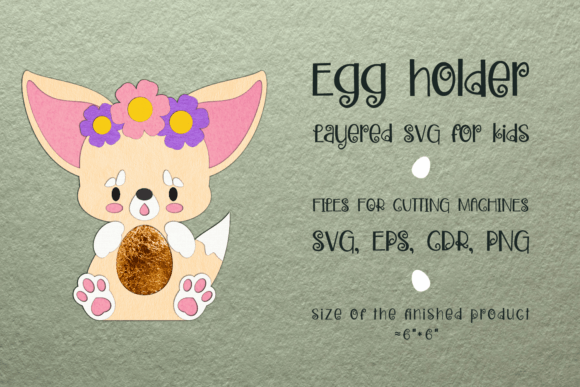
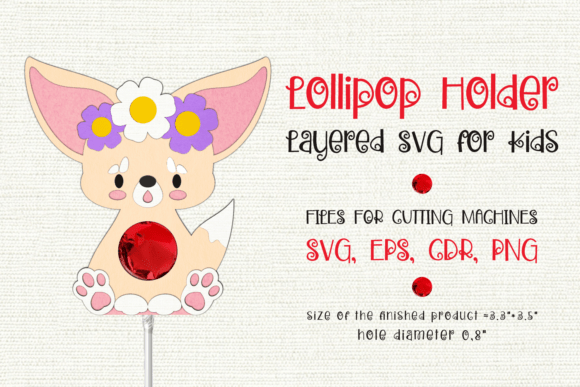
The Fennec Fox Lollipop Holder is undeniably cute. It captures that whimsical, oversized-ear silhouette that performs exceptionally well in both nursery decor and boutique merchandise. Visually, it creates a mood of playful innocence, making it an ideal candidate for baby embroidery or personalized gifts. However, because this originates as a Shapes category asset intended for paper, the lines are likely optimized for blade cutting rather than needle penetration.
In my review process, I look at how these clean vector lines might translate into stitch types. The large ear areas are perfect candidates for an applique design or a light fill stitch, while the facial features would require precise satin stitch or running stitch work. The challenge here is density. Paper templates often have uniform line weights that, if digitized directly without adjustment, could result in puckering on fabric. For those using this as a base for commercial embroidery projects, I recommend treating the SVG as a high-quality tracing guide rather than a direct import. This ensures your stitch density remains appropriate for the fabric texture you intend to use.
Real-World Application: The Custom Sweatshirt Test
To truly evaluate this design, I mentally placed it in a real-life production scenario. Imagine preparing a custom apparel order for a small shop product launch. You have a cream-colored French terry sweatshirt, and you want to add the Fennec Fox Lollipop Holder as a chest placement. This is where the design shines, but also where technical decisions matter most.
For a sweatshirt embroidery project, the fleece backing provides stability, but the knit surface can swallow fine details. If I were stitching this out, I would avoid tiny text or intricate inner lines that might get lost in the fabric pile. Instead, I would focus on the bold outer silhouette and the lollipop element as a color-blocked accent. This approach maintains the recognizability of the fox while ensuring the handmade product looks professional from a distance. Customers browsing Etsy listings or walking through a craft fair respond to clarity; they need to identify the "cute fox" instantly without squinting at dense, muddy stitching.
Furthermore, considering this is a "holder" concept, there is a unique opportunity for functional embroidery. While the digital file is for paper assembly, an embroiderer could adapt the center circle to create an actual embroidered patch that serves as a decorative anchor on a tote bag design or apron. This cross-medium thinking is what elevates a simple digital download into a versatile design asset for a craft business.
Navigating Fabric Limitations and Hoop Sizes
Not every project is suitable for this specific aesthetic. Through years of testing embroidery files, I have learned where designs like the Fennec Fox Lollipop Holder face friction. The multi-layer aspect implies depth, which can be problematic on thin or stretchy fabrics. If you are attempting this on a lightweight onesie for baby clothes, the contrast between the heavy outline stitches and the delicate cotton could cause warping.
I advise extreme caution when using this design on curved surfaces like caps. The geometry of a fennec fox’s ears extends vertically, which fights against the natural curve of a hat brim. Unless you are experienced with cap framing and distortion compensation, stick to flat surfaces like pillow covers, tea towels, or framed hoop art. Additionally, verify your hoop size before committing. The proportions of this fox may require a larger field to maintain detail integrity; shrinking it down to fit a 4x4 hoop might render the facial expression unrecognizable.
Dark fabrics also present a hurdle. Because this design relies on shape recognition, placing it on navy or black material requires a strategic underlay or a lighter background applique to prevent the thread colors from disappearing. Always test your thread colors against the garment in natural light before running the final digital embroidery file.
Professional Standards for Sellers and Makers
For Etsy sellers and handmade shop owners, the value of a product lies in its finish. Using the Fennec Fox Lollipop Holder effectively means respecting the technical requirements of embroidery. Before listing any finished product derived from this template, you must validate the licensing. The product description mentions files for cutting machines and paper crafts; it does not explicitly state commercial embroidery rights. As a responsible business owner, confirm whether you are permitted to sell physical embroidered items created from this digital asset. Protecting your brand consistency includes respecting intellectual property.
When creating printable mockups for your shop, ensure they accurately represent the stitched texture. Do not simply overlay the vector SVG onto a shirt image. Take the time to stitch a sample, photograph it, and use that real-world photo for your listings. Buyers trust sellers who show actual stitch quality over generic digital previews. This transparency builds customer confidence and reduces returns due to unmet expectations regarding detail level or size.
Essential Designer Notes for Success
If you decide to incorporate the Fennec Fox Lollipop Holder into your next embroidery project, follow these practical steps to ensure a premium result:
- Test on Scrap Fabric First: Never run a new adaptation directly on a client’s garment. Use a similar weight scrap to check tension and registration.
- Evaluate Stabilizer Needs: Given the potential complexity of the ears and lollipop stick, use a cut-away stabilizer for knits and a tear-away for wovens to prevent distortion.
- Check Small Details: Inspect the eye and nose areas. If they are too small for reliable satin columns, convert them to running stitch outlines or micro-fill to prevent thread breaks.
- Mockup in Black and White: View your digitized version in grayscale to ensure contrast relies on value, not just hue. This guarantees visibility on various fabric backgrounds.
- Verify Licensing: Re-read the terms included in the download package. If commercial embroidery isn't mentioned, contact the original designer for clarification before selling.
- Assess Washability: If this is for a kitchen towel or baby item, ensure the stitch density is secure enough to withstand frequent laundering without fraying.
The Fennec Fox Lollipop Holder offers a delightful foundation for creative expression, blending the precision of digital design with the warmth of handmade craftsmanship. By approaching it with technical mindfulness and respecting its origins as a paper craft template, you can successfully transform it into a standout piece for your embroidery portfolio. Whether you are crafting a holiday gift, expanding your boutique branding, or simply exploring new shapes, this design rewards patience and preparation with a truly charming finished product.