Cute Sheep Lollipop Holder: A Designer’s Review
When I first opened the file for the Cute Sheep Lollipop Holder, my immediate reaction was a mix of delight and professional caution. As a digital download marketed primarily as a paper craft template with multi-layer capabilities, this design sits in an interesting intersection between papercrafting and textile art. For those of us in the embroidery and maker community, seeing a 3D SVG categorized under Shapes requires a specific mindset. We aren't just looking at cut lines; we are translating layered geometry into thread, fabric, and dimension. After reviewing the structural integrity and aesthetic potential of this design, I see immense value for specific niches, provided you approach the adaptation process with technical intention.
Translating Paper Craft Logic to Textile Art
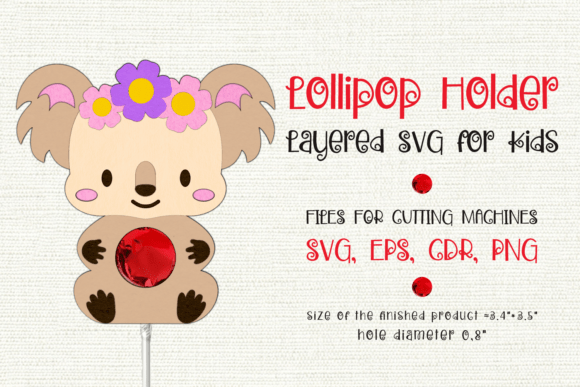
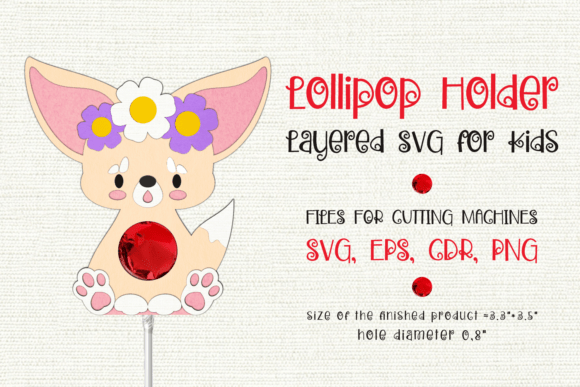
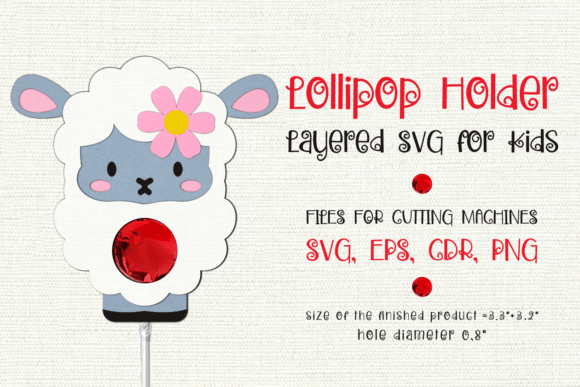
The visual personality of the Cute Sheep Lollipop Holder is undeniably whimsical. It evokes a nursery aesthetic or a playful party favor vibe that resonates deeply with customers looking for personalized gifts or boutique baby items. However, because this originates as a cutting machine file, the "embroidery" aspect requires interpretation. In my studio, I treat this type of 3D SVG as a structural blueprint rather than a ready-to-stitch machine embroidery design. The layers intended for cardstock assembly must be reimagined as applique design elements or dimensional fabric components.
For a real-life scenario, I evaluated this design for a custom spring collection for a small Etsy shop specializing in toddler accessories. The goal was to create a tangible lollipop holder that could be attached to a tote bag design or used as a standalone party favor. The multi-layer nature of the file is actually a benefit here. Instead of dense fill stitch that can make a garment stiff, I utilized the separate layers to create a mixed-media piece. The sheep’s body became a soft fleece applique, while the lollipop stick and holder structure were reinforced with heavy-duty stabilizer and satin stitch edges to maintain rigidity. This hybrid approach preserves the cute factor without compromising the drape of the final handmade product.
Best Applications for Small Business and Gifting
This design shines brightest when used for low-wear, high-impact items. Because of its intricate layering and likely delicate extremities, it is not ideal for high-friction zones. However, it is perfect for:
- Nursery Decor and Baby Embroidery: The soft shapes translate beautifully to minky or cotton jersey when adapted correctly. It works exceptionally well as a decorative accent on a blanket binding or a pillow cover where tactile engagement is key.
- Holiday Embroidery and Party Favors: As a functional holder, this design adds perceived value to candy packaging. For craft business owners, offering a branded, reusable holder elevates the unboxing experience far beyond standard plastic wrappers.
- Custom Apparel Accents: On a sweatshirt embroidery project, use this design as a pocket topper or a sleeve detail rather than a center chest graphic. The scale allows for charm without overwhelming the garment.
- Digital Product Previews: Even if you sell physical goods, using this 3D SVG to create printable mockups helps visualize colorways before committing thread. This saves time and materials during the prototyping phase.
Technical Constraints and Fabric Considerations
As an experienced reviewer, I must emphasize where this design demands caution. The transition from digital asset to finished product introduces variables that paper doesn't have. Fabric texture and stretch are the enemies of precise geometric alignment found in Shapes category files.
Avoid High-Stretch Fabrics Without Support: If you are adapting this for baby clothes or stretchy knits, the multi-layer alignment points can shift during stitching. You must use a high-quality cut-away stabilizer. A tear-away will not support the structural integrity required for a lollipop holder mechanism.
Watch Your Hoop Size: Functional holders require specific dimensions to actually fit a standard lollipop. Before stitching, measure your intended candy diameter. Do not assume the digital file scales perfectly to real-world physics once fabric thickness is added. Test the hoop size and scaling on scrap fabric first. A design that looks perfect on screen may be too tight or too loose once three layers of cotton and batting are introduced.
Detail Management: Small corners and tight curves in the sheep’s features can become thread nests if the stitch density isn't adjusted. Since this is originally a cutting file, you may need to add underlay stitches manually if converting to embroidery format. Running stitch outlines should be verified against your fabric weight; what works for paper alignment might disappear into terry cloth or corduroy.
Elevating Perceived Value and Brand Consistency
Using a specialized design like the Cute Sheep Lollipop Holder signals to buyers that your shop offers unique, thoughtful details. In a saturated market of generic clipart embroidery, a functional, multi-dimensional item stands out. It transforms a simple transaction into a memorable interaction. For Etsy sellers and small shop product lines, this level of specificity builds customer trust. It shows you understand both the medium and the end-user's experience.
However, professionalism lies in execution. If the layers gap, the satin stitch pulls, or the holder fails functionally, it damages brand consistency. Always inspect small details under magnification after your test run. Check thread colors against both light and dark fabric backgrounds to ensure the sheep’s expression remains visible and cheerful. Contrast is crucial for recognition, especially in photography for social media or listing images.
Essential Designer Notes Before Production
Before adding this to your commercial embroidery lineup or personal project queue, adhere to these practical checkpoints:
- Verify Licensing: The product description mentions files for cutting machines and formats C. Confirm explicitly whether the license permits selling finished embroidered products or if it is restricted to personal/papercraft use. Never assume cross-medium commercial rights.
- Prototype Functionality: Stitch a full sample and insert an actual lollipop. Does it hold securely? Is the friction right? Does the weight of the candy distort the embroidery? Adjust your stabilizer or fabric choice based on this physical test.
- Check Machine Compatibility: Ensure your software can properly interpret the 3D SVG layers if you are converting them. Some digitizing programs struggle with complex vector paths intended for blades rather than needles.
- Mockup Testing: Create black and white mockups to evaluate value contrast independent of color. If the design reads poorly in grayscale, it will lack depth in thread.
- Wash Test: If this is intended for apparel or linens, wash the test piece. Multi-layer constructions can shrink at different rates, causing puckering that ruins the aesthetic.
The Cute Sheep Lollipop Holder is a charming digital asset with significant potential for creative entrepreneurs willing to bridge the gap between paper crafting and textile arts. By respecting the technical differences between cutting and stitching, and by validating the functional requirements of the final product, you can turn this sweet design into a profitable, professional addition to your handmade repertoire. Approach it with patience, test rigorously, and let the whimsy of the design shine through quality craftsmanship.