Cute Koala Lollipop Holder: An Embroidery Review
As a designer who constantly bridges the gap between digital assets and tangible textiles, I approach every new file with a specific question: will this actually work when thread hits fabric? When I first opened the Cute Koala Lollipop Holder, my immediate reaction was one of cautious optimism. While the product description identifies this as a digital paper craft template and 3D SVG for cutting machines, experienced makers know that these multi-layer designs often hold immense potential for mixed-media embroidery projects. However, translating a shape-based vector design into a successful machine embroidery design requires a critical eye for structure, density, and end-use practicality.
This review evaluates the Cute Koala Lollipop Holder not just as a digital download, but as a candidate for real-world application in custom apparel, personalized gifts, and small business merchandise. Whether you are an Etsy seller looking for your next bestseller or a hobbyist planning a unique holiday gift, understanding how this design behaves beyond the screen is essential for professional results.
First Impressions and Design Personality
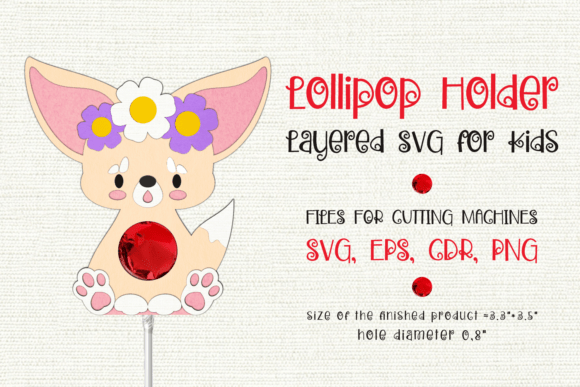
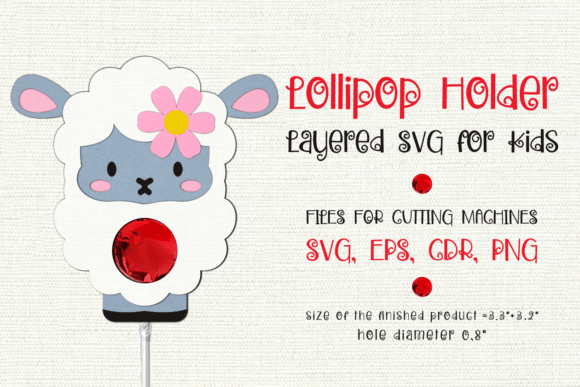
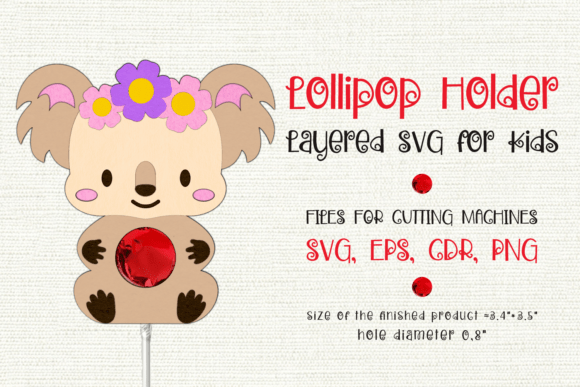
The visual mood of the Cute Koala Lollipop Holder is undeniably playful and youthful. The silhouette suggests a whimsical character that naturally leans toward nursery decor, baby shower gifts, or children’s party favors. As a reviewer, I appreciate that the design relies on clear, distinct shapes rather than overly complex shading. In the world of embroidery, clarity is king. Designs with too much gradient or microscopic detail often turn into muddy thread nests, but this koala’s bold lines suggest it could translate beautifully into an applique design or a combination of satin and fill stitches.
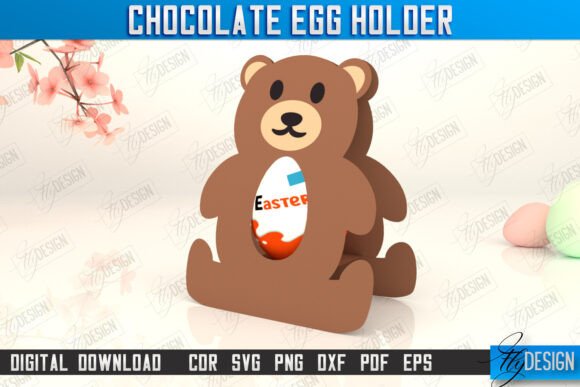
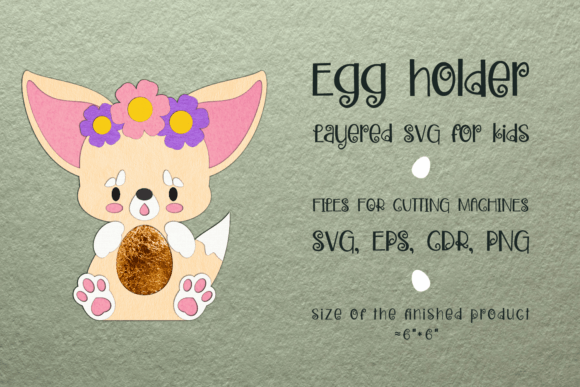
Because this asset originates from the Shapes category and is formatted as a 3D SVG, the layering is intentional. For embroidery digitizers, these layers are a roadmap. They indicate where different fabric textures or thread colors should sit. If you are adapting this for needlework, the separate components for the koala’s face, ears, and the lollipop element allow for modular stitching. This modularity is fantastic for creating depth, perhaps by using felt for the base layers and cotton for the top details, giving the finished product a tactile quality that flat embroidery sometimes lacks.
Real-World Application: The Custom Sweatshirt Test
To truly evaluate this asset, I mentally placed it in a current client scenario: designing a line of boutique sweatshirts for a local children’s shop. The goal was to create a sweatshirt embroidery piece that felt handmade yet durable enough for active play. The Cute Koala Lollipop Holder fits this niche perfectly because of its recognizable profile. On a fleece-backed sweatshirt, the design needs to compete with the fabric's texture. A delicate running stitch outline would disappear, but the bold shapes inherent in this SVG file suggest converting key elements into satin stitch borders or chunky fill areas.
For this specific project, I envision using the koala as a central motif on the chest or as a smaller accent on a cuff. The "lollipop holder" aspect implies a functional or interactive element. In a mixed-media approach, you could embroider the koala directly onto the garment while using the SVG file to cut a matching vinyl or felt lollipop accessory that attaches via snap or velcro. This elevates the item from a standard custom apparel piece to an interactive toy-garment hybrid. For Etsy sellers, this kind of innovation drives engagement and justifies a higher price point because it offers value beyond simple decoration.
Navigating Fabric Limitations and Hoop Sizes
While the design is charming, practical execution requires respecting fabric physics. If you are adapting this digital embroidery file for lightweight fabrics like baby onesies or thin cotton tees, caution is necessary. Multi-layer designs can become dense. If you convert every layer of the SVG into heavy fill stitch, you risk creating a bulletproof patch that distorts the garment and causes discomfort. For baby embroidery, I strongly recommend testing the stitch density on scrap fabric first. You may need to simplify internal details or use lighter tatami fills to maintain the garment's drape.
Conversely, if you are working with textured fabrics like terry cloth towels or minky blankets for nursery decor, the design needs enough substance to stand out. Here, the 3D nature of the source file is an advantage. You can utilize the layers to create registration marks for precise appliqué placement. However, always verify your hoop size before committing. The proportions of a lollipop holder can be vertically elongated. Ensure your machine’s hoop accommodates the full height without requiring excessive re-hooping, which increases the risk of alignment errors. For curved surfaces like caps, this design might require significant modification to prevent distortion, so I would reserve it primarily for flat embroidery project surfaces unless you have advanced digitizing skills.
Commercial Viability and Brand Consistency
For creative entrepreneurs and Etsy sellers, the Cute Koala Lollipop Holder represents a versatile asset for brand building. Its distinct shape makes it highly recognizable, which is crucial for repeat customers. When used consistently across products—from tote bag designs to embroidered patches—it creates a cohesive collection. However, professionalism lies in the finish. A jagged edge or poor color contrast can undermine customer trust instantly.
I recommend creating printable mockups and physical samples in both light and dark thread colors before listing. Dark fabrics can swallow detail, so you may need to add a white underlay or adjust the outline thickness. Also, consider the washability factor. If this is intended for a handmade product that will be laundered frequently, ensure all appliqué edges are securely satin-stitched and that no tiny decorative elements are left as loose running stitches that could snag. Customer reviews often hinge on durability, so treating this design with commercial-grade construction standards is non-negotiable.
Essential Designer Notes for Success
Before you load this file into your software or machine, please heed these practical reminders derived from years of troubleshooting:
- Verify Licensing: The product description mentions files for cutting machines. It does not explicitly state commercial embroidery rights. Always confirm licensing terms before selling finished items or distributing modified digital assets.
- Test Stitch Density: Since this is originally a paper craft/3D SVG, it lacks native embroidery data. If you are digitizing it yourself or purchasing a converted version, run a test sew-out to check for puckering, especially around the curved edges of the koala and lollipop.
- Stabilizer Selection: Match your stabilizer to the fabric weight. For stretchy knits used in custom apparel, use a fusible cut-away stabilizer to prevent the design from warping after washing.
- Thread Color Contrast: Evaluate your palette against the fabric. Pastel threads on white fabric can look washed out; consider bolder accents or variegated threads to enhance the cute factor.
- Check Small Details: Inspect the facial features. If they are too small for reliable stitching, simplify them. Tiny eyes or mouths often stitch out as blobs; enlarging them slightly ensures the character remains expressive.
- Mixed Media Potential: Leverage the "cutting machine" origin. Use the SVG to create matching iron-on vinyl decals or leather tags that complement the embroidery, adding perceived value to your shop products.
The Cute Koala Lollipop Holder is more than just a digital shape; it is a foundation for creativity when approached with technical mindfulness. By respecting the translation process from vector to stitch, and by testing rigorously for your specific substrate, this design can become a staple in your repertoire of personalized gifts and commercial offerings. Remember, the best embroidery doesn't just look good on a screen—it feels right in the hand and lasts through the life of the product.