3D SVG Labrador Retriever Multilayered Review
First Impressions: Translating Papercut Aesthetics to Thread
As a designer who constantly bridges the gap between digital graphics and tangible textiles, I approach every new asset with a specific question: will this actually work in the hoop? When I first opened the 3D SVG Labrador Retriever Multilayered files, my immediate reaction was one of cautious optimism. The product description explicitly states these are prepared for laser cutters and CNC routers, which usually implies sharp vectors and distinct separation lines. For an embroidery digitizer or machine operator, this is actually a goldmine, provided you understand how to translate those layers into stitch types.
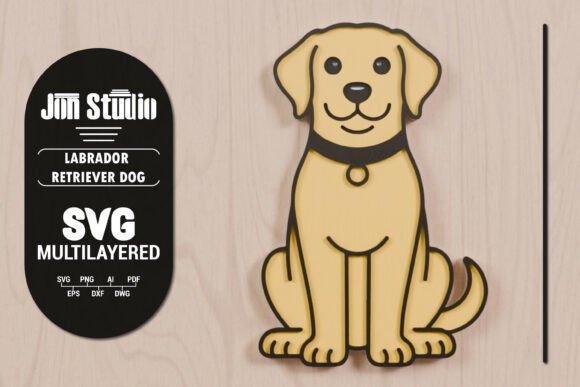
The visual personality of this Labrador design is striking. It captures that beloved, soulful expression Labs are known for, but through a stylized, dimensional lens. Unlike traditional flat embroidery designs that rely solely on thread color changes for depth, this multilayered approach suggests physical dimension. In the context of Crafts and Graphics, this sits at a unique intersection. It feels modern yet nostalgic, making it an ideal candidate for projects that need to stand out in a saturated market. However, because it originates as a papercut file, the success of your machine embroidery design depends entirely on how you interpret those vector layers into satin stitches, fill stitches, or applique techniques.
Real-World Application: Stitching a Custom Tote Bag
To truly evaluate this asset, I mentally walked through a recent client request for a premium canvas tote bag featuring a pet portrait. Clients often want something that looks more artistic than a standard photo-realistic stitch-out. The 3D SVG Labrador Retriever Multilayered fits this niche perfectly. Imagine using the different layers not just as color blocks, but as textured zones. The base layer could be a dense fill stitch in a warm golden tan, while the upper layers defining the snout and ears could be executed in a raised satin stitch or even a fabric applique to create genuine tactile depth.
In this scenario, the design transforms a simple tote bag design into a boutique-level product. The clean lines inherent in the SVG format mean that registration marks should align beautifully if you are doing multi-hoop placement or layered applique. For an Etsy seller or small shop owner, this specific aesthetic signals "handmade" rather than "mass-produced." Customers react positively to designs that have visible texture and intentionality. When I visualize this on a natural canvas tote, the contrast between the smooth fabric and the dimensional stitching creates a high-perceived value that justifies a higher price point compared to standard flat embroidery.
Where This Design Shines in Commercial and Personal Projects
Beyond tote bags, the versatility of this graphic extends across various categories. As a digital embroidery file source, its strength lies in its adaptability. Here is where I see it performing best:
- Sweatshirt Embroidery: The bold, layered nature of the Lab holds up well against heavy fleece. The design has enough visual weight to prevent getting lost in the fabric texture.
- Nursery Decor and Baby Embroidery: The friendly, non-aggressive styling makes it perfect for blankets and pillow covers. The 3D effect adds sensory interest for little ones without being overly cartoonish.
- Embroidered Patches: Because the original files are vector-based (AI/EPS), creating a merrowed edge patch is straightforward. The distinct layers translate easily into separate stitch regions.
- Holiday Embroidery: Labs are quintessential family dogs. This design works exceptionally well for Christmas stockings or personalized gift tags where a classic breed representation is needed.
For creative entrepreneurs selling design assets, offering this as a hybrid file—marketed for both laser cutting and embroidery adaptation—adds significant value. It allows buyers to create matching sets, such as a laser-cut wooden ornament paired with an embroidered textile version.
Critical Considerations: Fabric, Hoop Size, and Stability
While the 3D SVG Labrador Retriever Multilayered is visually appealing, practical execution requires caution. Since these files were originally intended for rigid materials like wood or acrylic, they lack the built-in compensation for fabric distortion that native embroidery files possess. You cannot simply auto-digitize this and expect perfection.
You must be mindful of stitch density. Layered designs can quickly become bulletproof if you stack too many fill stitches. On stretchy fabrics like jersey knits or thin t-shirts, this density can cause puckering or tearing. I would advise against using the full multilayered version on lightweight baby clothes unless you are using a very stable cutaway stabilizer and perhaps reducing the internal density of the bottom layers. Similarly, detailed corners in the vector art may need to be softened slightly during digitizing to prevent needle breaks or jagged edges in the final stitch-out.
Hoop size is another constraint. A detailed, multilayered dog portrait needs breathing room. Attempting to shrink this down to a 4x4 hoop for a shirt cuff will likely result in lost definition. This design demands space to let the 3D effect read clearly. Always check your specific machine’s capabilities and the final dimensions before committing to a production run.
Professional Designer Notes for Best Results
If you are integrating this Labrador Retriever graphic into your business workflow, treat it as a blueprint rather than a finished product. Here are my non-negotiable steps for success:
- Test on Scrap Fabric First: Never run a complex layered design on a final product without a test stitch-out. Use the same fabric and stabilizer combination you intend for the finished product.
- Verify Licensing: The product includes AI, EPS, and PNG formats, but you must confirm the commercial license terms regarding commercial embroidery sales versus digital resale. Protect your business by knowing exactly what is permitted.
- Mockup in Black and White: Before choosing thread colors, view the design in grayscale. This ensures the 3D depth relies on value contrast, not just hue, ensuring readability on all fabric backgrounds.
- Check Thread Contrast: If stitching on dark fabric, ensure your layer definitions remain visible. You may need to add a light outline or adjust the underlay to make the top layers pop.
- Adapt for Washability: If this is for a tea towel or apron that will face frequent laundering, avoid excessive layering that creates stiff ridges. Optimize the embroidery project for durability by securing edges properly.
Ultimately, the 3D SVG Labrador Retriever Multilayered is a powerful asset for makers who are willing to put in the digitizing legwork. It offers a fresh alternative to generic clipart and provides a foundation for high-end, textured embroidery. Whether you are crafting a personalized gift for a dog lover or expanding your shop’s inventory with unique custom apparel, this design brings a level of artistic sophistication that customers appreciate. Just remember: respect the vector origins, stabilize appropriately, and always test before you sell. That is the difference between a mediocre stitch-out and a professional-grade handmade product.