3D SVG Bulldog Papercut: An Embroidery Review
As a professional embroidery designer and product reviewer, I approach every new graphic asset with a specific question: will this actually stitch out well on fabric? When evaluating the 3D SVG Bulldog Multilayered Papercut, my perspective shifts from laser cutting to needle and thread. While this file set is explicitly prepared for CNC routers and laser machines, the vector geometry offers significant potential for mixed-media projects. For Etsy sellers, craft business owners, and apparel decorators, understanding how to translate these layered graphics into a viable machine embroidery design or appliqué template is crucial for creating high-value merchandise.
First Impressions: Visual Weight and Structural Integrity
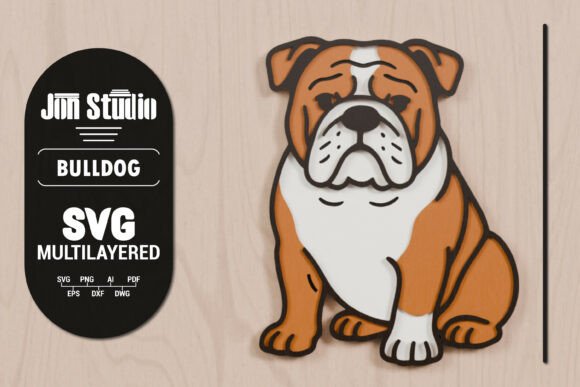
My initial assessment of the 3D SVG Bulldog Multilayered Papercut focuses on its silhouette and internal segmentation. As a piece of digital art within the Graphics category, it possesses a bold, geometric confidence that translates beautifully to textile arts. The "multilayered" aspect suggests distinct zones of depth, which is exactly what we look for in a successful applique design. Unlike complex photographs that require thousands of fill stitches to simulate shading, this papercut style relies on clean lines and solid shapes. This is a massive advantage for stitch density management.
The bulldog theme itself carries a specific mood: loyal, sturdy, and classic. It avoids the overly cutesy aesthetic of some pet designs, making it suitable for adult custom apparel, masculine nursery decor, or boutique branding. The vector paths appear closed and continuous, which is a relief. In my experience reviewing files for Crafts, open nodes are the enemy of digitizing software. Here, the separation of layers implies that each section could serve as an individual appliqué piece or a color block for satin and fill stitches, reducing the overall stitch count while maximizing visual impact.
Real-World Application: The Heavyweight Sweatshirt Test
To truly judge this asset, I mentally placed it into a current client project: a premium heavyweight sweatshirt for a small shop product launch. The goal was a textured, dimensional look without the bulk of traditional 3D puff foam. The 3D SVG Bulldog Multilayered Papercut serves as an ideal blueprint for this. By utilizing the separate SVG layers as cutting templates for fabric pieces, you can create a raw-edge or turned-edge appliqué that mimics the papercut depth using actual fabric layers rather than thread alone.
In this scenario, the design performs exceptionally well because the shapes are substantial. Tiny, intricate details often get lost on fleece or French terry, but the bold geometry of this bulldog holds its own against the fabric texture. For an Etsy seller or handmade shop owner, this efficiency is profitable. You are achieving a high-end, multi-dimensional look with significantly less machine runtime than a full-coverage embroidery file. The result is a finished product that feels expensive and durable, perfect for holiday embroidery collections or personalized gifts where perceived value drives sales.
Navigating Technical Limitations and Fabric Choices
However, practical design judgment requires acknowledging where a file might struggle. Because the 3D SVG Bulldog Multilayered Papercut originates from the laser cutting world, some internal details may be too fine for standard embroidery hoops. If you attempt to stitch every single layer line as a running stitch on a stretchy knit, you risk puckering or needle breaks. I advise treating the finest inner layers as decorative stitching only after the main structural appliqué is secured.
Fabric choice dictates success here. On stable fabrics like canvas for a tote bag design or denim for an embroidered patch, the design will shine with minimal distortion. Conversely, on thin jersey or performance wear, the multiple layers of fabric and stabilizer required to replicate the 3D effect could make the garment stiff and unwearable. Always pair this design with appropriate stabilizer; a cutaway is non-negotiable for sweatshirts, while tear-away may suffice for woven caps. Furthermore, if you are working with dark fabrics, ensure your thread colors or appliqué fabrics provide enough contrast. The shadow effects inherent in papercut designs rely entirely on value differences; without contrast, the 3D illusion flattens into a muddy blob.
Impact on Brand Value and Customer Perception
Using a specialized asset like the 3D SVG Bulldog Multilayered Papercut signals professionalism. Customers can distinguish between generic clipart and intentional design. When applied to baby embroidery items or nursery pillows, the clean, layered aesthetic feels modern and safe, avoiding the chaotic density of poorly digitized cartoons. For commercial embroidery businesses, this versatility allows you to offer matching sets across different substrates—perhaps a papercut wood sign for the shelf and a coordinating embroidered pillow cover—using the same source file.
This consistency builds brand recognition. Whether you are selling digital embroidery files derived from this art or physical goods, the strong visual identity helps your listings stand out in search results. The bold nature of the bulldog also photographs well for printable mockups and social media, ensuring that your marketing materials accurately represent the tactile quality of the final stitch-out.
Essential Designer Notes for Safe Implementation
Before you load this file into your digitizing software or cutting plotter, adhere to these practical protocols to protect your business and your equipment:
- Verify Licensing: The product description lists Ai, EPS, PNG, PDF, and SVG formats but does not explicitly state commercial usage rights for finished embroidered goods. Always confirm licensing terms before listing any small shop product or selling derivatives.
- Test Stitch on Scrap: Never run a new adaptation directly on a client’s garment. Test the hoop size compatibility and stabilizer combination on a scrap of the exact fabric you intend to use.
- Audit Vector Paths: Even though these are vector files, check for overlapping lines or gaps that could cause your embroidery software to misinterpret fill areas. Clean up nodes before digitizing.
- Check Color Contrast: Create a black and white version of the design in your software. If the layers disappear in grayscale, they will not read well in thread. Adjust your thread colors or fabric selections accordingly.
- Scale Appropriately: Do not shrink this design below its intended minimum size. The multilayered details have a threshold; reducing it too much for a baby onesie or cap may render the inner layers un-stitchable.
- Mockup Validation: Use the included PNG files to create realistic digital previews for your shop. This helps gauge customer interest before you invest time in physical sampling.
The 3D SVG Bulldog Multilayered Papercut is a robust starting point for creative entrepreneurs who understand the intersection of digital vectors and textile reality. It bridges the gap between laser craft and needlework, offering a fresh aesthetic for those willing to adapt it thoughtfully. By respecting the technical constraints of embroidery while leveraging the bold, layered structure of the original art, you can produce distinctive, high-margin items that resonate with buyers seeking quality craftsmanship. Whether for a custom apron, a branded tote, or a unique holiday gift, this design asset holds genuine utility for the serious maker.