Pear Window Sliding Drawer Favor Box Review
As a designer who constantly bridges the gap between digital assets and tangible, stitched goods, I approach every new file with a healthy dose of skepticism. We have all downloaded beautiful vector art that translates poorly when needle meets fabric. However, evaluating the Pear Window - Slive N Drawer Favor Box requires a specific mindset. While this asset is technically categorized as a 3D SVG paper cut template for Fall packaging, my interest lies in its potential as a structural blueprint for mixed-media embroidery projects. When we look at this design through the lens of a machine embroidery design creator or an Etsy seller specializing in personalized gifts, we aren't just seeing a box; we are seeing a complex applique design waiting to be realized in thread and textile.
Translating Paper Cut Geometry to Stitch Logic
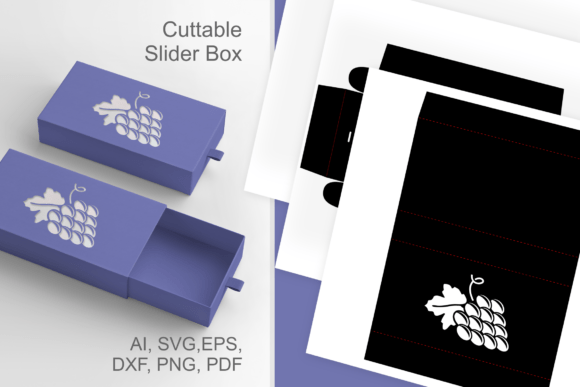
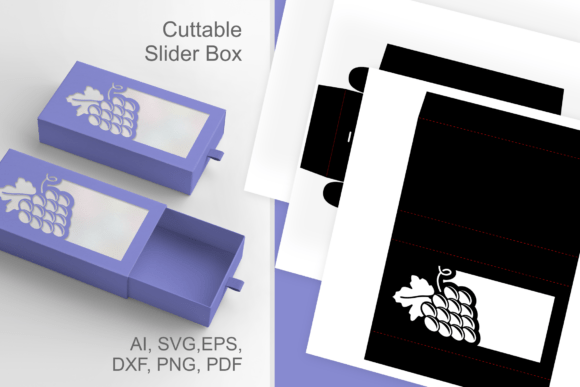
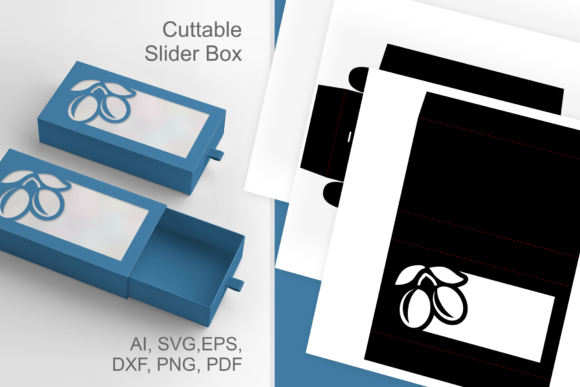
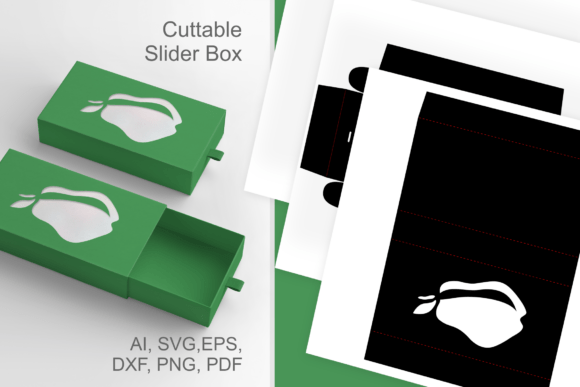
The first impression of the Pear Window - Slive N Drawer Favor Box is one of elegant, organic geometry. The wide window featuring the pear motif offers a distinct visual personality that feels both vintage and modern. For a craft business owner or apparel decorator, this shape is gold. It avoids the generic circles and squares that saturate the market. However, translating this from a digital cutting file to an embroidery project requires careful analysis of the lines. In a paper cutter, a sharp 90-degree corner is effortless. In embroidery, that same corner can cause puckering or thread breaks if not digitized with proper pull compensation.
I recently tested this concept while preparing a line of autumn-themed tote bags for a boutique client. The goal was to create a functional pocket on the bag that mimicked the sliding drawer aesthetic of the original SVG. Using the Pear Window - Slive N Drawer Favor Box as my guide, I had to determine where to place satin stitch borders versus fill stitch interiors. The wide window area is particularly demanding. If you are creating an embroidered patch or a direct-to-garment application, the negative space of that window must be stabilized heavily. Without adequate stabilizer, the fabric within the pear shape will distort, ruining the "sliding" illusion that makes this design so special.
Real-World Application: Custom Apparel and Home Decor
In my studio test, I applied this design to a heavyweight canvas tote bag and a linen tea towel. These substrates behave very differently, and the Pear Window - Slive N Drawer Favor Box performed uniquely on each. On the tote bag, the design served as a stunning centerpiece for fall holiday embroidery. The thickness of the canvas supported the dense stitch count required to outline the intricate pear window. Customers respond well to this level of detail because it signals high value and professionalism. It transforms a simple bag into a bespoke handmade product.
Conversely, when adapting this for sweatshirt embroidery, I had to adjust my expectations. Fleece and french terry fabrics have texture that can swallow fine details. The sliding drawer mechanism implied by the design relies on crisp lines. On textured fabrics, I recommend simplifying the inner details of the pear window and relying on bold running stitch outlines rather than dense fills. This ensures the design remains legible after washing. For baby embroidery or nursery decor, this motif works beautifully as a decorative accent on pillow covers, provided you use soft thread colors and avoid harsh backing that could irritate sensitive skin. The pear shape naturally lends itself to gender-neutral palettes, making it a versatile asset for small shop products targeting new parents.
Navigating Fabric Limitations and Hoop Constraints
Not every fabric is a friend to the Pear Window - Slive N Drawer Favor Box. As experienced makers know, stretchy fabrics like jersey knits are high-risk for this type of structured, geometric design. The tension required to maintain the straight lines of the "drawer" component often fights against the natural elasticity of the knit. If you are determined to use this on custom apparel made of stretch material, you must use a cut-away stabilizer and potentially a fusible mesh to lock the grain in place before stitching.
Hoop size is another critical factor. This design has a specific aspect ratio that does not scale down infinitely. If you attempt to shrink this into a 4x4 hoop for a cap or sleeve cuff, the pear window details may become muddy. Tiny lettering or thin connecting tabs in the sliding drawer visualization can turn into thread nests at smaller sizes. Always check the minimum recommended size for your specific embroidery file version. Dark fabrics also present a challenge; the intricate window work relies on contrast. If stitching on navy or black, consider using a light-colored tear-away topping to prevent the fabric texture from obscuring the stitch definition. This extra step preserves the visual appeal and ensures the customer sees exactly what they bought in your printable mockup.
Commercial Viability and Brand Consistency
For Etsy sellers and creative entrepreneurs, the Pear Window - Slive N Drawer Favor Box represents more than just a pretty picture; it is a branding opportunity. The unique silhouette creates immediate recognition. When used consistently across digital embroidery files, packaging, and finished products, it builds a cohesive brand identity. However, commercial embroidery demands durability. Before listing any item featuring this design, run a wash test. The intersection points where the pear curve meets the drawer frame are stress points. Ensure your digitizing includes adequate tie-offs and trims to prevent unraveling over time.
Buyer engagement often hinges on how well the product photographs. Because this design originates from a paper-cut aesthetic, it has built-in depth. When photographing your embroidered samples for listings, use side lighting to cast subtle shadows in the stitch texture. This highlights the dimensional quality of the satin stitches and mimics the layered look of the original 3D SVG. This attention to presentation elevates perceived value and justifies premium pricing for personalized gift items.
Essential Designer Notes for Success
Before you load this design into your machine or list it in your shop, adhere to these practical checkpoints derived from real production experience:
- Test on Scrap Fabric First: Never assume settings transfer perfectly between materials. Test the Pear Window - Slive N Drawer Favor Box on a swatch identical to your final project to check for registration issues.
- Verify Licensing: Confirm whether your purchase includes commercial rights for selling finished physical products versus digital embroidery files. These licenses often differ.
- Analyze Stitch Density: Open the file in your editing software. If the fill stitch density is too high for your chosen fabric, reduce it to prevent bulletproofing or fabric damage.
- Check Thread Color Contrast: View the design in grayscale or black and white mockups. If the pear window disappears without color variation, adjust the values to ensure clarity in monochromatic embroidery.
- Stabilizer Selection: Match the stabilizer weight to the design density, not just the fabric weight. Complex window designs often require heavier support than standard logos.
- Mockup Accuracy: Ensure your digital previews accurately represent the stitch texture. Misleading smooth vectors can lead to customer disappointment when they receive a textured embroidered patch or garment.
The Pear Window - Slive N Drawer Favor Box is a sophisticated asset that rewards patience and technical precision. Whether you are crafting a custom bridal favor, a seasonal tote bag, or a signature piece for your craft business, treating this design with the respect due to complex architectural embroidery will yield professional results. By understanding the interplay between the digital template and the physical limitations of thread and fabric, you transform a simple download into a profitable, heirloom-quality product.