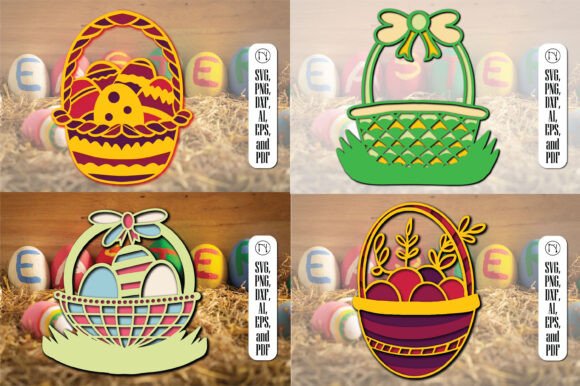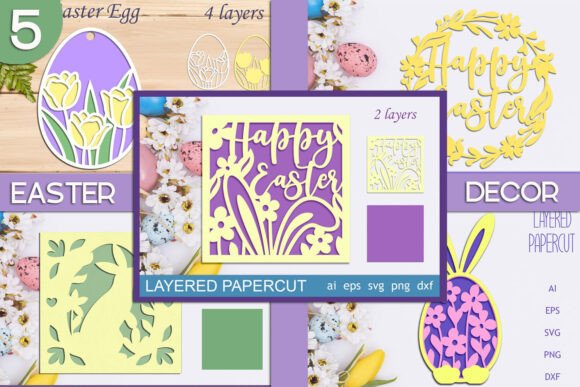
3D Layered Easter Cards SVG: Laser Cut Review
As a designer who constantly bridges the gap between digital files and tangible, stitched goods, I approach every new asset with a healthy dose of skepticism. When I first opened the 3d Layered Easter Cards Svg, Laser Cut set, my immediate thought was not about paper crafting, but about translation. How does a file optimized for laser precision translate to the organic, thread-based world of machine embroidery? This review evaluates this Spring collection specifically through the lens of an embroidery professional looking to create high-value, mixed-media products rather than simple greeting cards.
First Impressions: Structure Over Sentiment
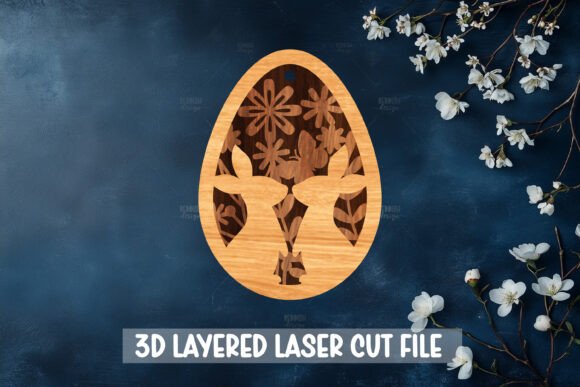
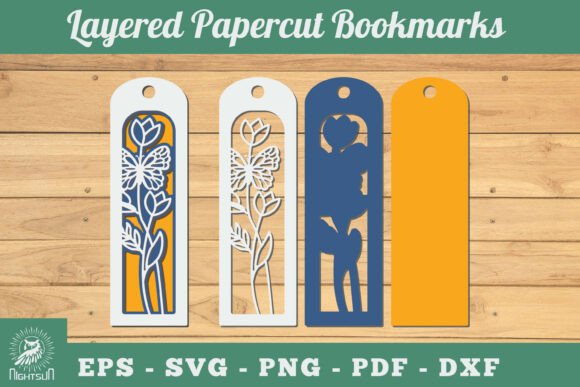
The visual personality of this Easter set is distinctly architectural. Unlike traditional embroidery digitizing that relies on fill stitches to create depth, these five designs utilize physical layering to achieve dimension. For an embroidery designer, this is a significant shift in workflow. The clean lines required for laser cutting actually serve as excellent guides for satin stitch borders or running stitch placement lines. The mood is crisp and modern, moving away from overly cutesy pastel clutter toward a sophisticated, boutique aesthetic that appeals to adult buyers and high-end nursery decor clients.
When evaluating this as a digital embroidery file source, the precision is the standout feature. In embroidery, we often struggle with registration when stacking applique layers. Because these SVGs are engineered for exact laser alignment, they provide a perfect roadmap for hooping. If you are planning to use these for custom apparel or home decor, the design assets offer a level of geometric accuracy that is difficult to achieve with freehand digitizing.
Real-World Application: The Mixed-Media Tote Bag
To truly test the viability of the 3d Layered Easter Cards Svg, Laser Cut for commercial embroidery projects, I applied it to a real-life scenario: creating a premium spring tote bag for a local boutique. My goal was to move beyond standard screen printing or flat embroidery to create a textured, handmade product that justified a higher price point.
I selected one of the floral layered designs from the set. Instead of cutting cardstock, I used the SVG as a template for cutting felt and linen applique pieces with my laser cutter, which were then secured to the canvas tote using fusible web. The embroidery machine was used strictly for structural integrity and decorative edging. I utilized a tight satin stitch to bind the raw edges of the laser-cut fabric layers, effectively turning a paper craft file into a durable textile embellishment. The result was a tactile, 3D surface that customers immediately wanted to touch. This hybrid approach leverages the speed of laser cutting with the permanence and value perception of embroidery. For Etsy sellers and small shop owners, this specific workflow transforms a simple digital download into a unique selling proposition that distinguishes your brand from competitors selling flat prints.
Navigating Fabric Limitations and Hoop Constraints
While the versatility of this Easter set is impressive, it requires careful consideration regarding where it should not be used. The intricate internal cutouts designed for lasers can become problematic in embroidery if the scale is reduced too aggressively. Small details that look beautiful on paper may turn into thread nests or tunneling on fabric.
- Stretchy Fabrics: Avoid using complex layered versions of this design on jersey knits or performance wear without heavy stabilization. The density of multiple fabric layers combined with satin stitching can distort stretchy material, causing the garment to pucker permanently.
- Curved Surfaces: Caps and curved sleeves are risky. The rigid geometry of laser-cut style designs fights against the natural curve of headwear. Stick to flat surfaces like pillow covers, tea towels, aprons, and quilt blocks.
- Dark Fabrics: These designs rely on shadow and physical elevation for visibility. On dark fabrics, the subtle layering gets lost unless you use high-contrast thread colors or light-colored backing fabrics for the applique layers.
- Frequent Washing: If applying this to baby clothes or kitchen linens, ensure your stitch density is sufficient to lock down all laser-cut edges. Raw edges that aren't fully encapsulated by thread will fray rapidly in the wash.
Elevating Product Value and Brand Perception
In the current market, customer trust is built on perceived effort and finish quality. Using the 3d Layered Easter Cards Svg, Laser Cut correctly signals professionalism. When a buyer sees precise, multi-layered texture on a sweatshirt or embroidered patch, they recognize it as a specialized handmade product rather than mass-produced merchandise. This directly impacts giftability; a personalized gift featuring dimensional floral layers feels significantly more thoughtful than a standard monogram.
For creative entrepreneurs, consistency is key. Because this set contains five cohesive designs, it allows for brand consistency across a Spring collection. You could feature one design on a tote bag, another on a matching cosmetic pouch, and a third on a nursery pillow, creating a recognizable product line. This cohesion helps with printable mockups and digital product previews, as the visual language remains uniform across different SKUs.
Essential Technical Notes for Embroiderers
Before you load this file into your software or send it to your machine, adhere to these practical guidelines to protect your equipment and your reputation:
- Verify Licensing: The description mentions downloading instantly for gifts, decor, or DIY projects. However, always confirm whether the license permits selling finished physical products versus just personal use. Commercial embroidery requires clear rights.
- Test Stitch Density: Since this is originally a laser file, it lacks native embroidery density data. You must manually assign stitch types. Test on scrap fabric first to ensure your satin stitch width adequately covers the laser-cut edge without pulling the fabric.
- Stabilizer Selection: Do not skimp here. Multiple layers of fabric plus thread require robust support. Use a cut-away stabilizer for apparel and a heavy tear-away for stable items like tote bags to prevent hoop burn and misalignment.
- Thread Color Contrast: Review your palette in black and white mockups before stitching. Ensure the separation between layers is visible solely through value contrast, not just color difference, to maintain the 3D effect.
- Hoop Size Confirmation: Measure the actual dimensions of the SVG after importing. Resizing vector files for embroidery can alter aspect ratios. Confirm the design fits your hoop size with adequate clearance for the presser foot.
The 3d Layered Easter Cards Svg, Laser Cut represents a valuable crossover asset for makers willing to experiment. It challenges us to think outside the traditional embroidery box, merging digital fabrication with needlework. By respecting the technical limitations of fabric and leveraging the precision of the vector artwork, you can create Spring collections that feel fresh, expensive, and distinctly handmade. Always prioritize testing and proper stabilization to ensure your finished product meets the high standards your customers expect.